Showing posts with label my garden. Show all posts

Sunday, May 02, 2010

And we've got to get ourselves back to the garrrrdeeennn...

It's been a long and busy winter and early spring, what with teaching and being out of town for conferences, running here and running there... I didn't even get time to grow my own starts this year, alas.

But here we are in May, past the last average frost date by two weeks, it's a sunny weekend, so dare we start some summer planting?

We dare!

This morning started with some plant shopping, yielding a nice little haul of annual flowers and some veggies. I even found Brandywine and Cherokee Purple tomato starts at the garden center. Add a gallon of stinky fish fertilizer, that magical stuff, and we're off.

Yeah, dinky little starts tucked into their garden beds don't make for impressive photographs, do they? But they will once summer gets going.


Since "last average frost date" is just an average and isn't always to be trusted anyway, I tucked the tomatoes, squash, and melons in under tomato cozies and cat litter jugs with the bottoms cut out. Lettuce, chard, and spinach should be just fine.

Around the garden, the Irix tenax is in bloom:

As are these sky-blue dwarf iris:

Columbine have been popping up everywhere in fresh new colors each year:

Salmon pink and deep burgundy together -- stunning!


And doubly stunning when seen from below, looking up at the overhanging pine and the blue sky:

It's beginning to look a lot like suuummmerrr!

Friday, May 15, 2009

Going Vertical

The satisfyingly messy project is done -- though if I repaint the trellises, I'll use a brush next time. Even with tarps down, the spray paint went everywhere. I also ended up spraying more paint on the dropcloth than on the narrow slats of the trellises -- not terribly cost-effective. But they are done, dry, and up, adding a splash of gaudy color and a vertical element to an otherwise altogether too horizontal front garden:


The melons I grew in the greenhouse and moved to the cold frame are now planted below and tethered to their trellises, with some flat rocks spray-painted black sitting at their feet to soak up a little extra solar heat. The Charentais melons still look a little bedraggled from their move. Too soon an exposure to full sun, perhaps? Though the new leaves look better:

Sugar Baby watermelons look a little more sturdy. We'll see how they do. Melons are always a chancy proposition in this climate:

The tomatoes and peppers are all snug in their Kozy Koats until night temperatures warm up again. I'm trying the technique of clipping the leaves from the bottom half of the stem and burying the stem horizontally, with the remaining leaves sticking up. The plants grow adventitious roots from the leaf nodes (terms which my students should recognize -- right? Right?), making the whole plant sturdier and giving them more roots to draw up more nutrients and water.

The weather for the next couple of weeks is supposed to be in the 70s and 80s, great for these neotropical crops, but couldn't it have started a few days ago, instead of the day after the field trips are over? But then again, we got only light sprinkles and no torrential downpours while we were out, so there's that to be thankful for.

Monday, May 04, 2009

The garden in May

My current project -- satisfyingly messy, and gaudily colored. I wanted some kind of trellis or something for my melons to climb over, and had plans to build such an item, but on shopping for the materials at the local hardware store, I found some inexpensive wooden trellises and heavy hardwood stakes that would suit. I sprayed them all with a coat of primer, then with some gaudy outdoor enamel. The trellises are brilliant blue, while the stakes that will support the tomatoes are deep purple. That ought to wake up the neighbors.

I had extra time this weekend to work on the project. There was a case of H1N1 flu confirmed at my university, and we shut down for a couple of days while the diagnosing was going on and to prevent any spreading of the virus. For once, I'm all caught up with my grading. We'll be back in business tomorrow, since there don't appear to be any more cases.

Elsewhere in the garden, I came across this ladybug amongst the Aubretia while I was weeding, and the bright little beastie contrasted with the purple and green made such a pleasing picture that I had to dash indoors for my camera:

My teeny pond needs pulling apart and cleaning, and I should probably get a real pond liner instead of black plastic, but it still looks all wild and woodsy with the ferns, cyclamen, and hellebore popping up around it.


Isn't this a fabulous arum? I can't recall the name of it, but I bought it at a plant sale that benefits one of the local historical gardens. I like the long antennae thingie emerging from the mysterious hood.


After the disappearance of my blue glass gazing ball, I moved my little elfin figure to a more secluded spot. A fan of sword fern makes a nice backdrop, with blue geranium and fuzzy caterpillar fern coming up in front.


A little kitten figure, a monument to a 9-week-old kitten who died of coccidia a few years ago, sleeps under the ferns, too.

Lettuce and peas are doing well. We're getting drenching rains today, so they're all getting watered in.


My plants from the greenhouse came home last weekend and are acclimating in the cold frame. They and the trellises will be installed next weekend.


While my lilac bush is still small, its blooms are mighty. These clusters of sweet-smelling blossoms are heavenly!


Now if only this rain would slow down long enough for me to get ahead of the weeds that are romping unchecked all over my yard.

Tuesday, April 28, 2009

The garden -- under glass

My summer garden so far! Right now it's just a collection of black plastic pots and youthful, if rather exuberant, seedlings, but this weekend they'll be coming home to spend some time in the cold frame before going out into the garden.

I started these back in March, when everything was cold and blowy, long before tomatoes and melons and squash and peppers should be out in the garden. I my climate, the highly variable Pacific Northwest, such neotropicals pretty much have to be started indoors if you want them to bear fruit. To succeed, plants started indoors need plenty of light. The average window won't do, even if it's south-facing.

A climate-controlled greenhouse is ideal, but rather over-budget for my garden. So now, shall I confess? I borrowed a greenhouse:


Over on the right are the glass shelves my plants are on. This is the greenhouse on the roof of the building where I teach. Nice, huh? I figure I should use the resources that are at hand, and that was one resource very much at hand!

Saturday, March 07, 2009

What the &*#%$*????

At one time I had a beautiful glass ball ornament in my garden:

Today, I do not:

There's no trace of broken glass. Someone walked into my garden and took it.

What is the matter with some people?!?!?!? Do I have to have a razor-wire fence and a locked gate just to have something nice outdoors?

Sunday, March 01, 2009

Garden fever relapse -- the planting begins!

Here we have lettuces, kale, chard, and indigo, all labeled and lined up in their neat little pots under the grow lights. Another set of pots -- the tomatoes, peppers, melons, broccoli, and cauliflower -- are set aside to go to school with me. There's a little corner of the greenhouse I've asked to use, where I can grow a few things out of everyone's way.

With the peas in the ground and more seeds in the pots, this year's garden is underway! The ennui of winter vanishes in a cloud of seed catalog fumes. Sniiiiiffff... aaaahhh! The sweet aroma of potting soil in the morning!

February Snow

Washington's Birthday just went by which, according to my grandmother, is time to plant the peas. Accordingly, I planted them, two packs of peas all soaked and planted and most of them tucked in under some Reemay cloth. I'm not sure if the reason I've seen so few pea seedlings coming up in the last couple of years is cold springs, or if I need to hold off on planting, or if the crows and squirrels are after them. With the Reemay to protect some of the peas, I'll find out!

But lookee here -- no sooner did I get my peas all nestled down in the sweet earth than last Thursday we woke up to this:

Ah, that's the old twisty Hobbit Tree that finally broke in the last ice storm and just got shorn of its branches, which will now suport a climbing rose. And that's Toast, mother of the kittens we took in two summers ago, sporting about in the fluffy white stuff.

And that's snow! More snow!

Licorice, outdoorsman that he is, doesn't think too much of this and decided maybe he could stand to be inside for a while:


My garden was all aslumber under its blanket of white, and the coverlet of snow on top of the cold frame actually kept the last of the lettuces underneath from freezing:


Snowdrops in the snow, looking a little bedraggled in spite of being all covered with their namesake:


Within the snow, a souvenir of summer:

And was there more to come? Hmmm... looking at this sky, what do YOU think?


Ah, but the main roads were navigable and all had melted away by evening.

Tuesday, September 30, 2008

Garden ennui

We've reached that time of the year, the time when the summer has so parched the soil that even the weeds look ratty and lackluster:


When we've left off with diligence and mildew overtakes the vines:

When the aphids have finished slaughering the nasturtiums, and the lettuce has all gone to seed:

And yet the tomatoes remain stubbornly green:


And the watermelon, smaller than a tennis ball, may never come to the sweet glory we expected last spring when we lovingly put the little plant into the cold earth:


Yet not all is autumnal sorrow and despair. The everbearing raspberries are living up to their name, still producing enough for each morning's yogurt:


And the everbearing Tristar strawberries are contributing their share, too, and will probably keep going well into October:


A surprise vine popped up in the front garden, and I'm still not sure what we have. Mini-pumpkin? Gourd? Gourds seem likely, since some went into the compost last year, so there could be seeds.

The cranberry beans kept getting mowed down by slugs and bugs earlier, but enough survived to yield a small crop:


Shelled, they'll produce at least one good beany meal, and still have some left for planting next year. I'll make a point to save those very red ones for planting:


In spite of the load of work and the drag of autumn's ennui, I got the beds in the new garden cleared of everything that had gone to seed and all the leggy, tired pansies, emptied the compost bins of all good compost and spread it on the beds, and tucked everything in for the winter. I had lettuce and kale seedlings under grow lights indoors (about the only place I can get anything to germinate this year -- what's up with the soil, I wonder?), and put those out into the garden for winter crops. The lettuce went under the cold frame, and the kale out in front of it.


With any luck, I'll have fresh greens for the holidays. By then the plants may be finishing and I can start a fresh set of seedlings for the cold frame. January and February will bring cold weather that will slow them quite a bit, but I can usually get new lettuce by April.

Thursday, September 11, 2008

Lettuce save...

These tiny dandelion tufts are seed heads of Specked Trout's Back lettuce. Can you tell that lettuce belongs to the Aster family, along with dandelions, thistles, and Bachelor's buttons?


And this is a cute little seed saving kit I got for Christmas:

That's where the Flashy Trout's Back lettuce seeds are going, along with Tom Thumb, a small butterhead lettuce that was sooo delicious when it was in its prime, and other seeds that I plan to save this year.

You don't really have to have a fancy seed saving kit to save seed. Paper coin envelopes from the office supply store -- or fashioned out of used paper -- will do just fine. But if this little kit strikes your fancy, it came from Territorial Seed Company.

Like sewing, knitting, spinning, canning, and growing your own food, there's something basic and satisfying about saving seed from year to year. It's not that we have to any more in these days of global marketing, malls, and shiny seed catalogs. It's knowing that we could if some sci-fi-novel-style disaster struck. Kind of like the Scout who earns a First Aid badge and secretly hopes there will be an accident just so said Scout can dash over and take charge with a confident, "I know what to do!"

With seed saving, there's also the satisfaction of preserving heirloom varieties of seeds that the big seed companies overlook. Maybe it's something that's been in the family for years, or maybe it's something you just ordered this year from a seed exchange. No matter. You're still taking part in an ancient ritual of saving for next year's harvest.

Learning to save seed, grow and preserve food, and manufacture clothing from the sheep or cotton plants on up also makes one a repository of basic survival skills that have kept humans alive for millennia. It is the anniversary of 9/11 after all, and at such a time people's minds sometimes turn to "what if?" scenarios. Too many of my college students think of "cooking" as taking something out of a box and microwaving it. Too few understand where their food comes from. Far too few know that onions have leaves, that potatoes grow in the earth, that someone must actually raise cows -- or that lettuce plants make flowers.

If you want to know more about seed saving, two good books to look for are:
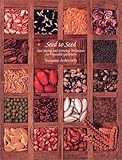

Seed to Seed: Seed Saving and Growing Techniques for Vegetable Gardeners by Suzanne Ashworth, Kent Whealy

This book contains very detailed information for people who are serious about saving seeds. It stresses the importance of population size for genetic diversity, and discusses techniques for preventing cross-pollination between varieties to keep the seed stock pure. It may be more than the casual home gardener wants to get into, but it's still a useful book, especially the sections on cleaning and storing seeds.


Saving Seeds: The Gardener's Guide to Growing and Storing Vegetable and Flower Seeds by Marc Rogers.

Less detailed than Seed to Seed, this is a good book for the beginning seed saver. Like Seed to Seed, its focus is mainly on food plants, but it does include some flowers as well.